

Will the 2026 Toyota Tundra’s composite bed hold up for work near Oak Creek, WI?
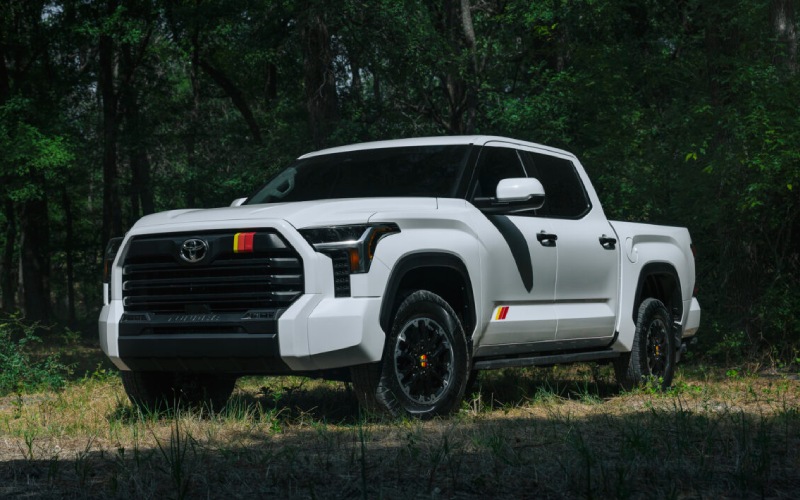
Russ Darrow Toyota – Will the 2026 Toyota Tundra’s composite bed hold up for work near Oak Creek, WI?
The 2026 Toyota Tundra is built for real jobs, not just weekend photo ops. If you live or work around Oak Creek, WI—running up and down S Howell Ave, hopping onto I-41/I-94, or squeezing into busy lots at Drexel Town Square—the question that really matters is whether the Tundra’s aluminum-reinforced composite bed can take daily use without dinging, denting, or rusting. Here at Russ Darrow Toyota, we see this concern often from contractors, DIY homeowners, and small business owners, and we’re here to explain exactly how the Tundra’s bed is engineered for the long haul.
Below, we break down how the Tundra’s bed materials, bed-length choices, payload capability, and helpful features work together in real life—so you can buy with confidence and get right back to work.
What the Tundra’s composite bed is designed to do
Tundra’s standard aluminum-reinforced composite bed is built to be tough from day one. Toyota designed it to act as a shield against dents, impacts, dings and rust, so you can load tools, lumber, landscaping stone, salt bags, and equipment without babying the surface. That composite construction is a big deal in southeastern Wisconsin, where winter road salt and slush can challenge traditional steel beds. With the Tundra, you get built-in protection without sacrificing everyday usability.
Bed-length options—5.5-ft., 6.5-ft., and 8.1-ft.—let you tailor the truck to your life. If you’re navigating the tighter neighborhoods near Lake Vista or making frequent stops around Drexel Ave, the shorter bed can keep maneuvering easy. If you’re regularly hauling full-length lumber or jobsite gear, the 6.5-ft. or 8.1-ft. beds make loading more straightforward and reduce the need for the tailgate to be down.
Underneath, Tundra’s Multi-Link Rear Suspension is tuned for stability and ride comfort, which helps keep loads planted and steering responsive when you’re loaded up and rolling between jobs. And when you need power to move serious material, the available i-FORCE V6 and i-FORCE MAX hybrid powertrains deliver. With up to 437 HP/583 Lb.-Ft. of Torque from i-FORCE MAX, the Tundra is more than ready for a day of hauling.
How much can you actually carry in the bed?
Max Payload is up to 1850 Lbs., depending on configuration. The exact number on the truck you choose will vary by trim, equipment, and powertrain. You’ll find the specific payload rating on the Tire and Loading Information label in the driver’s door jamb. If you’re comparing bed lengths and trims, our team can walk you through how each configuration changes available payload.
In practice, that kind of capability means you can load a stack of treated lumber, a compact snowblower, jobsite tools, or a half-yard of mulch with room to spare—just be sure to weigh or estimate your load and keep distribution even from left to right and forward toward the cab. If you plan to carry extremely dense materials like pavers or bagged concrete, consider multiple trips or stepping up to a configuration with more available payload.
- Payload basics: Payload includes everything in the cab and bed—people, gear, and accessories—so account for passengers and add-ons.
- Weight distribution: Place heavier items against the front of the bed near the cab and keep weight centered side to side.
- Securement strategy: Use ratchet straps and approved anchor points; recheck tension after a few miles.
- Tire pressure: Inflate to the recommended pressures for load; verify on the door placard before heading out.
- Visibility checks: Ensure mirrors are adjusted and cargo is below the cab’s rear window line whenever possible.
Do you still need a bed liner or mat?
Because Tundra’s bed resists dents and rust, many owners skip a drop-in liner altogether. Still, a rubber bed mat can add grip for tools and reduce sliding when you’re driving around Oak Creek’s stop-and-go corridors. If you frequently haul loose aggregate like mulch or gravel, a mat plus a tarp makes cleanup faster, and the composite surface rinses clean easily at the end of the day.
When hauling sharp-edged items—think steel I-beams or scrap with jagged corners—use wood skids or edge guards to protect both your cargo and the bed surface. Smart loading habits preserve the bed’s finish and help your truck look sharp for years to come.
Backing, lining up, and working smarter in tight spaces
Packing a full bed into a jobsite or alley can be tricky. Tundra’s available Panoramic View Monitor (PVM) uses cameras on the front, sides and rear of the truck to give you a 360-degree view of what’s going on outside. That extra visibility is a big advantage when you’re easing into a tight spot off Rawson Ave or threading through a crowded delivery lane by lunchtime. Inside, the available 14-In. Multimedia Touchscreen gives you a large, clear view of camera feeds to help you place the truck precisely.
If your day includes pulling a utility trailer along with bed cargo, available Trailer Backup Guide With Straight Path Assist helps you back with confidence—especially helpful in close quarters where you don’t have room for trial and error. And when conditions are busy or unfamiliar, Toyota Safety Sense™ 2.5 adds helpful driver-assistance features designed to support safe, confident driving around Oak Creek and beyond.
Choosing the right bed length for Oak Creek life
Picking between 5.5-ft., 6.5-ft., and 8.1-ft. beds comes down to the balance between cargo volume and maneuverability. Shorter beds are easier to park near Drexel Town Square and in many suburban driveways; longer beds make it simpler to carry ladders, 10- to 12-foot lumber, or bulky landscape timbers with the tailgate up. If your workdays often require both city maneuvering and full-length cargo, the 6.5-ft. bed can be a great middle ground.
Not sure which will fit your garage or workflow best? Bring a tape measure, your most common gear, and visit us. We’ll stage a few loading scenarios so you can see exactly how your materials fit each bed length before you decide.
Simple loading routine to protect your bed and your gear
- Measure first: Confirm dimensions of your materials and match them to your chosen bed length.
- Check ratings: Verify payload on your door label and estimate the weight of people plus cargo.
- Stage the bed: Lay down a rubber mat or skids for sharp items; keep tie-downs within reach.
- Load forward: Place heavy items against the cab wall and center them side to side.
- Strap and recheck: Use quality ratchet straps; stop after a few miles to retighten.
- Clean up: Sweep or rinse the composite bed after unloading—especially after carrying salt or gravel.
Follow that routine and you’ll extend the life of your Tundra’s bed while keeping your work moving smoothly from Oak Creek to your next stop.
Frequently Asked Questions:
Do I need a bed liner with the 2026 Tundra’s aluminum-reinforced composite bed?
Not necessarily. The composite bed is engineered to act as a shield against dents, impacts, dings and rust. Many owners choose to skip a liner and simply use a rubber bed mat for added grip. If you frequently haul sharp or abrasive items, skids or a mat are smart add-ons.
Can I load mulch, gravel, or stone directly into the Tundra’s bed?
Yes. The composite surface handles loose aggregate well and rinses clean easily. Use a tarp or bed mat to make cleanup faster and to protect the surface from sharp edges. Always stay within your truck’s stated payload rating and keep the load evenly distributed.
Will the Tundra’s composite bed resist rust through Wisconsin winters?
Yes—the composite and aluminum-reinforced construction resists rust. Still, it’s wise to rinse the bed and underbody regularly during winter to protect metal hardware and other components. Routine washing helps maintain long-term durability.
Which bed length is best for work around Oak Creek?
For tight parking and quick stops around S Howell Ave and Drexel Ave, the 5.5-ft. bed is easy to maneuver. For frequent building materials or longer lumber, the 6.5-ft. or 8.1-ft. beds reduce the need to drive with the tailgate down. If you’re undecided, the 6.5-ft. bed offers a strong balance of maneuverability and capacity.
How does towing affect what I can carry in the bed?
Payload includes everything in the cab and bed, plus the trailer’s tongue weight when you’re towing. If you’re hitching up, subtract the trailer’s tongue weight from your available payload before loading the bed. When in doubt, we’ll help you calculate a safe setup for your specific Tundra.
What features make loading and maneuvering easier on the Tundra?
Tundra’s available Panoramic View Monitor (PVM) provides a 360-degree view using cameras on the front, sides and rear, which helps when lining up to docks, alleys, or tight jobsite spaces. The available 14-In. Multimedia Touchscreen makes camera views clear and easy to see, and available Trailer Backup Guide With Straight Path Assist supports confident trailer maneuvering in close quarters.
When you’re ready to put the 2026 Toyota Tundra to work, we’re ready to help. Visit Russ Darrow Toyota in West Bend to compare bed lengths, explore i-FORCE and i-FORCE MAX powertrains, and test how your real-world cargo fits. We’ll walk through payload specifics, load-securing tips, and the features that make day-to-day work around Oak Creek safer, simpler, and more productive.
Bring your questions—and your measuring tape. We’ll make sure your Tundra is set up to handle the jobs you tackle every day.
0 comment(s) so far on Will the 2026 Toyota Tundra’s composite bed hold up for work near Oak Creek, WI?