

Which is better for off-road grit and everyday comfort near Menomonee Falls, WI—the 2026 Toyota 4Runner or the 2026 Jeep Wrangler?
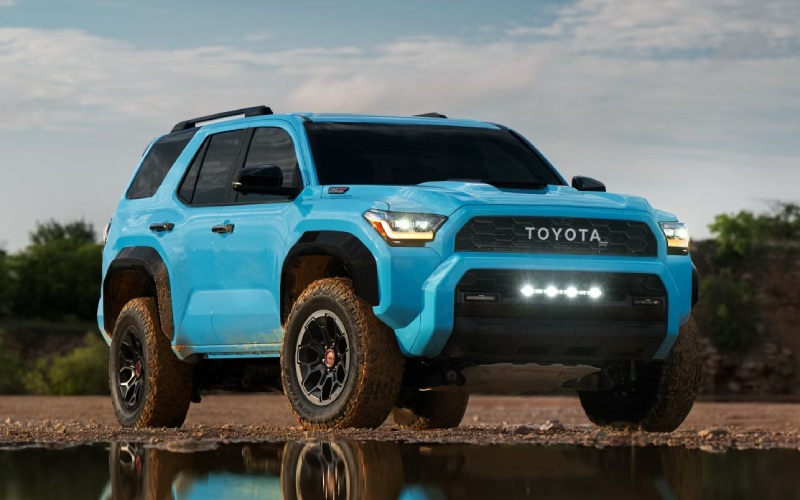
Russ Darrow Toyota – Which is better for off-road grit and everyday comfort near Menomonee Falls, WI—the 2026 Toyota 4Runner or the 2026 Jeep Wrangler?
It is a classic question for SUV shoppers around Menomonee Falls, WI: which one gives you the most confidence on rugged trails without wearing you out on everyday commutes—the 2026 Toyota 4Runner or the 2026 Jeep Wrangler? Both have the off-road credentials to put a grin on your face. The difference shows up in how you feel Monday through Friday, how easy life gets for passengers and cargo, and whether the cabin tech and safety support keep the stress down when the roads are crowded or slick.
Below, we break down the strengths that matter most—capability, comfort and tech, seating and cargo, and safety—so you can decide where your priorities land. If you plan to test-drive, set aside time to sample both. The differences are easy to feel once you get behind the wheel and take the same loop of city streets, highways, and a rough gravel road.
Quick takeaway: what separates them day to day
Wrangler builds its brand around open-air freedom and hardcore off-road angles. It is a natural fit if your must-have list includes removable doors and tops, two- or four-door options, and a manual transmission. The 4Runner’s identity is different: still rugged, but engineered to be the SUV you want on daily errands, family trips, and long stretches of freeway—while remaining genuinely trail-capable when the weekend hits. That balance comes from its TNGA-F body-on-frame platform, available Full-Time 4WD, and an optional i-FORCE MAX Hybrid that supplies instant torque and quiet composure in traffic or on the trail.
Capability: traction, torque, and control
Both SUVs are built for low-traction surfaces. Wrangler brings Command-Trac part-time 4×4, available Selec-Trac full-time 4×4, and Rock-Trac with a 4:1 low range, plus available 35-inch tires and an electronic sway bar disconnect on Rubicon models. 4Runner counters with multiple drivetrains—including 2WD, Part-Time 4WD, and an available Full-Time 4WD system—plus available 33-inch all-terrains, Bilstein or FOX shocks depending on trim, and an available Stabilizer Disconnect Mechanism to boost articulation on uneven ground.
Where 4Runner pulls ahead for many Menomonee Falls drivers is power delivery. The available i-FORCE MAX Hybrid brings smooth, immediate torque, making it easier to crawl at a walking pace over ledges and washouts, or to merge cleanly into a tight gap on Pilgrim Road. Wrangler’s V6 and turbo-four are proven, and a manual is a plus for some purists, but the Toyota hybrid’s seamless torque curve is hard to beat when traction is limited.
Comfort and technology: screen size, seats, and sound
Comfort and confidence often start with what you see and touch. The 4Runner’s available 14-inch Toyota Audio Multimedia touchscreen is one of the largest in the class, with clear mapping and responsive menus. Wireless Apple CarPlay and Android Auto are integrated cleanly, and available JBL Premium Audio adds concert-level clarity. Wrangler’s 12.3-inch Uconnect 5 screen is sharp and intuitive, but the extra screen real estate on the Toyota is a daily advantage when you are scanning routes or using a split view for navigation and audio.
Seats are another difference-maker. The 4Runner offers available heated and ventilated front seats and ride refinement that tames expansion joints and surface changes on I-41. Wrangler’s ride has improved in recent generations, yet the Toyota’s TNGA-F structure and chassis tuning deliver a calmer cabin on longer hauls. After an hour, most shoppers feel the gap.
Space and flexibility: seating and cargo
This is likely the largest practical difference. 4Runner can be configured with an available third row to seat up to seven, a major edge for carpooling and multi-family outings. Wrangler seats up to five. Toyota also builds in day-to-day advantages: the signature power rear window for quick access and flow-through ventilation, and an available hands-free power liftgate for easy loading when your hands are full. Cargo flexibility is strong on both, but the 4Runner’s generous maximum cargo room lets you load up camping bins, coolers, and bulky strollers with less Tetris.
Safety and driver assistance
Toyota Safety Sense 3.0 comes standard on every 4Runner, bringing a comprehensive set of active safety features to every trip. Wrangler offers modern driver-assist tech on select trims, including available adaptive cruise and forward collision mitigation. For many shoppers, knowing the Toyota suite is baked into every grade simplifies the decision—especially when teen drivers or frequent carpools are part of the picture.
To summarize, here are crisp takeaways to align with your priorities:
- Capability highlights: Both SUVs bring true trail hardware; 4Runner’s optional hybrid torque and available Full-Time 4WD make tricky surfaces feel easier.
- Comfort and tech highlights: 4Runner’s larger available 14-inch screen, available heated/ventilated seats, and ride refinement shine on daily routes.
- Family-friendly flexibility: Only 4Runner offers an available third row, a hands-free power liftgate, and a standard power rear window for quick cargo access.
One more local note: if you split time between errands across Menomonee Falls, back-road photo runs toward Wisconsin Country Springs, and weekend meetups closer to Lake Country, the 4Runner’s composed ride will likely matter more to you than an extra inch of approach angle. That is where Toyota’s engineering makes a lasting difference in ownership satisfaction.
Frequently Asked Questions:
Which SUV is quieter on the highway?
In most back-to-back drives, the 4Runner’s structure and tuning keep wind and road noise lower at typical I-41 speeds, particularly on coarser pavement and bridge joints.
Which one has a bigger infotainment screen?
4Runner offers an available 14-inch center touchscreen. Wrangler tops out with a 12.3-inch screen.
Do both have a sway bar/stabilizer disconnect?
Yes—4Runner offers an available Stabilizer Disconnect Mechanism; Wrangler Rubicon offers an electronic sway bar disconnect.
Can I get a third row?
Only the 4Runner offers available third-row seating for up to seven passengers.
Which should I choose if I want the most open-air feel?
Wrangler. Its removeable tops and quick-release doors are unmatched for open-air driving. If top-off driving is a must-have, Wrangler is the obvious pick.
If you want a rig that works hard in both worlds—gritty trails and relaxed daily life—the 4Runner is the more well-rounded choice. When you are ready to test-drive, Russ Darrow Toyota is happy to set up a side-by-side loop so you can compare ride, visibility, and cabin usability on familiar roads. We are serving Slinger, Pewaukee, and Menomonee Falls, and we will tailor guidance to your exact use case—gear, passengers, commute length, and the trails you plan to tackle.
0 comment(s) so far on Which is better for off-road grit and everyday comfort near Menomonee Falls, WI—the 2026 Toyota 4Runner or the 2026 Jeep Wrangler?