

Toyota vs. Subaru for Four-Season Life on Kettle Moraine Road in West Bend, WI
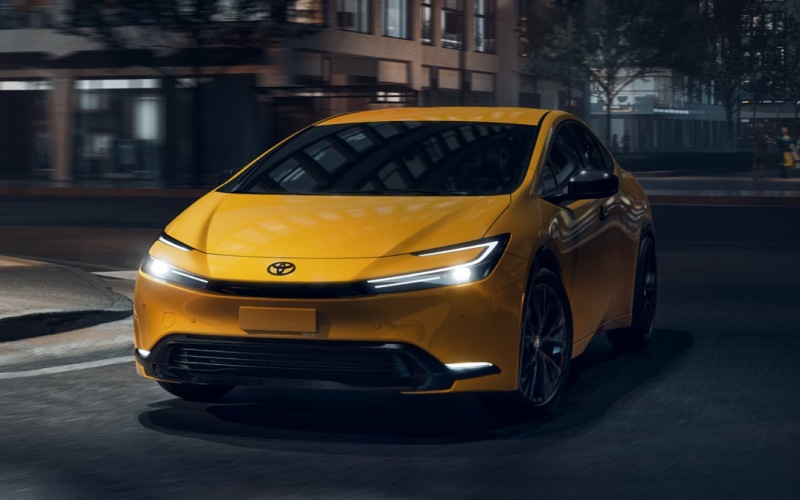
Russ Darrow Toyota – Toyota vs. Subaru for Four-Season Life on Kettle Moraine Road in West Bend, WI
When West Bend roads turn from dry pavement to wind-whipped snow in a single day, vehicle choice matters. At Russ Darrow Toyota, we often meet shoppers comparing Toyota and Subaru for the same reason—both brands are known for confident all-wheel traction, everyday practicality, and year-round peace of mind. For Washington County’s mix of Hwy 45 commuting, school drop-offs, and weekend runs to Sunburst Ski Hill or the Kettle Moraine State Forest, Toyota’s breadth of models and technology offers a compelling edge while staying true to what drivers appreciate about Subaru.
To make this comparison useful, our angle focuses on one real West Bend scenario: weekday reliability with winter-ready confidence, then quick pivot to weekend recreation—think sleds, skis, fishing gear, and muddy trailheads. That blend of efficiency, traction, cargo flexibility, and long-term dependability is where Toyota stands out, especially when local driving includes frost-heave backroads, salted bridges over the Milwaukee River, and surprise lake-effect flurries.
All-wheel-drive capability is a natural place to start. Subaru builds a strong reputation around standard Symmetrical All-Wheel Drive on most models, which resonates with local drivers who face packed snow at dawn and slush by lunch. Toyota counters with multiple AWD systems tailored to specific needs—Electronic On-Demand AWD in hybrid and sedan applications, Dynamic Torque Vectoring AWD for added cornering confidence in select SUVs, and robust 4WD systems in trucks and body-on-frame SUVs. That variety gives shoppers the ability to match traction tech to how and where the vehicle is used in West Bend rather than applying a single AWD formula to everything.
Hybrid availability is another difference with everyday impact. Toyota’s hybrid lineup covers nearly every major category—sedans like Camry, compact options like Corolla (including available Electronic On-Demand AWD on Corolla Hybrid), family SUVs such as RAV4 Hybrid and Highlander Hybrid, and even minivans like Sienna Hybrid. Cold weather efficiency is particularly relevant in Wisconsin, where idling at a Slinger stoplight or inching up a snow-slick on-ramp can quietly waste fuel. Toyota hybrids are engineered to optimize energy use in stop-and-go and low-speed conditions common in winter. Subaru offers capable gasoline models with standard AWD across most of the lineup; however, hybrid options remain comparatively limited, which can matter if the goal is to cut fuel stops during frigid spells or save gallons in year-round West Bend driving.
Safety tech runs deep on both sides, and it deserves attention for drivers navigating deer-dusk commutes on WI-33. Toyota Safety Sense is standard across virtually the entire Toyota lineup, with features such as Pre-Collision System with Pedestrian Detection, Lane Departure Alert, Lane Tracing Assist, and Dynamic Radar Cruise Control. Subaru’s EyeSight Driver Assist Technology is similarly well regarded and broadly available. Where Toyota takes a practical lead for many of our shoppers is the way these systems are integrated across body styles—including hybrids and sedans with available AWD—so families can pick the vehicle that truly fits their lives without stepping down in active-safety coverage. Availability can vary by model and trim, so our team is happy to walk through the exact feature set on the vehicles under consideration.
Space and versatility also separate these brands for Kettle Moraine life. Subaru’s SUVs offer usable cargo space and smart roofline design. Toyota expands on that with a wider range of configurations and platforms—unibody crossovers like RAV4 and Highlander for efficient family miles, plus truck-based 4Runner and Sequoia for those who routinely tackle rutted access roads, haul gear, or tow a small trailer. If the plan is an early-morning snowmobile run near the Northern Unit or pulling a fishing boat to Big Cedar Lake, Toyota’s body-on-frame options and Toyota Racing Development (TRD) off-road enhancements provide confidence beyond what a unibody-only SUV lineup can deliver.
Durability and support round out the long-view story. Toyota’s reputation for long-term reliability continues to be a deciding factor for many West Bend owners who keep vehicles through multiple winters. At our on-site service center, factory-trained technicians use Genuine Toyota parts and manufacturer-recommended procedures that help combat Wisconsin’s salt, slush, and deep-freeze cycles. Subaru also earns loyalty for durability, yet Toyota’s extensive parts network and hybrid system experience can streamline maintenance while supporting strong ownership confidence over the years.
With that big-picture perspective, here is a quick, structured comparison through the lens of West Bend driving.
- AWD Philosophy: Subaru emphasizes standard Symmetrical All-Wheel Drive on most models for set-it-and-forget-it confidence; Toyota offers several AWD and 4WD systems—Electronic On-Demand AWD, Dynamic Torque Vectoring AWD, and advanced truck 4WD—so shoppers can pick traction tech matched to how and where the vehicle operates.
- Hybrid Breadth: Toyota delivers hybrid choices across sedans, small cars, SUVs, and minivans to help cut fuel use in winter idling and daily commuting; Subaru hybrid availability is comparatively limited, which can matter for fuel savings on Hwy 45 trips or stop-and-go errands downtown.
- Safety Suite Coverage: Toyota Safety Sense is widely standard with features such as Pre-Collision System with Pedestrian Detection and Lane Tracing Assist; Subaru EyeSight is similarly robust, but Toyota’s consistency across diverse body styles gives families flexibility without sacrificing active safety.
- Lineup Depth: Toyota offers everything from Corolla Hybrid AWD to 4Runner and Sequoia for rugged access to trailheads or towing weekend gear; Subaru provides practical crossovers, yet lacks truck-based SUVs or pickup options for more demanding use cases.
- Cold-Weather Practicality: Toyota hybrids and AWD sedans help balance traction with efficiency when temperatures plunge; Subaru’s standard AWD adds traction confidence, but the combination of AWD plus hybrid efficiency is more readily available from Toyota.
- Service and Ownership: Toyota’s reliability record and strong parts availability pair well with our local service expertise; Subaru ownership also earns kudos, but Toyota’s hybrid support experience is a difference-maker for many West Bend drivers.
Choosing between these brands ultimately comes down to how a vehicle is used between November and April—and how it handles the rest of the year when the Eisenbahn State Trail dries out and camp weekends return. The following guide helps match priorities with strengths.
- Choose Toyota if: hybrid efficiency plus AWD for winter is a priority, body-on-frame SUV or truck capability is on the wish list, or active-safety coverage and trim variety must span from compact commuter to family hauler.
- Choose Subaru if: standard AWD across most gasoline models is the top requirement, a tidy footprint for narrow driveways matters, and a straightforward lineup fits the decision-making style.
For day-to-day West Bend life, many shoppers appreciate that Toyota lets a single household mix and match—an efficient Corolla Hybrid AWD for a Cedarburg commute paired with a RAV4 Hybrid or 4Runner for family and weekend duties. That flexibility, plus Toyota Safety Sense and the depth of Toyota’s hybrid engineering, often tips the scales for drivers who split time between city streets, snow-packed subdivisions, and gravel pull-offs at Kettle Moraine trailheads.
Our team at Russ Darrow Toyota knows local roads and real winter conditions firsthand. We can help compare specific Toyota body styles to the Subaru models on your list, demonstrate the differences between AWD systems in low-traction scenarios, and show how Toyota hybrid regeneration behaves on cold, salted pavement. A quick test loop from 2700 W Washington St that includes a mix of surface streets and a short Hwy 45 segment is an easy way to feel the contrasts in steering response, cabin quiet, and advanced driver-assistance behavior.
If all-season confidence and weekend versatility are must-haves in West Bend, Toyota’s lineup makes it easier to find the right fit without compromise. From compact hybrids to adventure-ready SUVs and trucks, our inventory, service support, and local expertise are here to make winter driving simpler—and summer trips more fun.
Frequently Asked Questions:
Which Toyota models offer AWD for Wisconsin winters?
Many Toyota vehicles offer AWD, including Corolla Hybrid (Electronic On-Demand AWD), Camry (availability varies by model year), Corolla Cross, RAV4, Highlander, and more. For maximum traction and capability, Toyota trucks and body-on-frame SUVs add advanced 4WD systems. Our team can confirm AWD availability on the exact trims you are considering.
How do Toyota Safety Sense and Subaru EyeSight differ in daily use?
Both suites provide camera-based driver assistance such as adaptive cruise control and lane support. Toyota Safety Sense is standard on virtually all Toyota models and is widely integrated across sedans, hybrids, SUVs, and trucks. Subaru EyeSight coverage is also broad. The best way to compare is back-to-back test drives in similar conditions on your typical route.
Will a Toyota hybrid still be efficient in cold weather?
Yes. Toyota hybrids are engineered to optimize energy use in stop-and-go and low-speed driving common in winter. While extreme cold affects all vehicles, Toyota’s hybrid systems help reduce idling and recapture energy during braking, which supports strong overall efficiency across seasons.
What if I need more off-road clearance for trailheads or towing for weekend gear?
Toyota offers a broader range of purpose-built solutions. TRD-enhanced SUVs and trucks deliver added ground clearance and traction aids, while 4Runner, Tacoma, and Sequoia provide the structure and hardware for rough access roads or towing needs. Subaru crossovers handle light off-pavement use well, but Toyota expands options for more demanding terrain or loads.
Can Russ Darrow Toyota service hybrids and AWD systems for long-term reliability?
Absolutely. Our factory-trained technicians use Genuine Toyota parts and follow Toyota-recommended procedures for hybrid systems, AWD components, brakes, and more. That combination supports year-round dependability on salted roads and helps maintain long-term value.
Ready to compare Toyota and Subaru for your four-season routine in West Bend? Visit Russ Darrow Toyota for a personalized side-by-side, and let our team set up a test route that mirrors your daily drive and weekend plans.
0 comment(s) so far on Toyota vs. Subaru for Four-Season Life on Kettle Moraine Road in West Bend, WI