

Toyota Hybrid Efficiency That Helps Your Budget in West Bend, WI
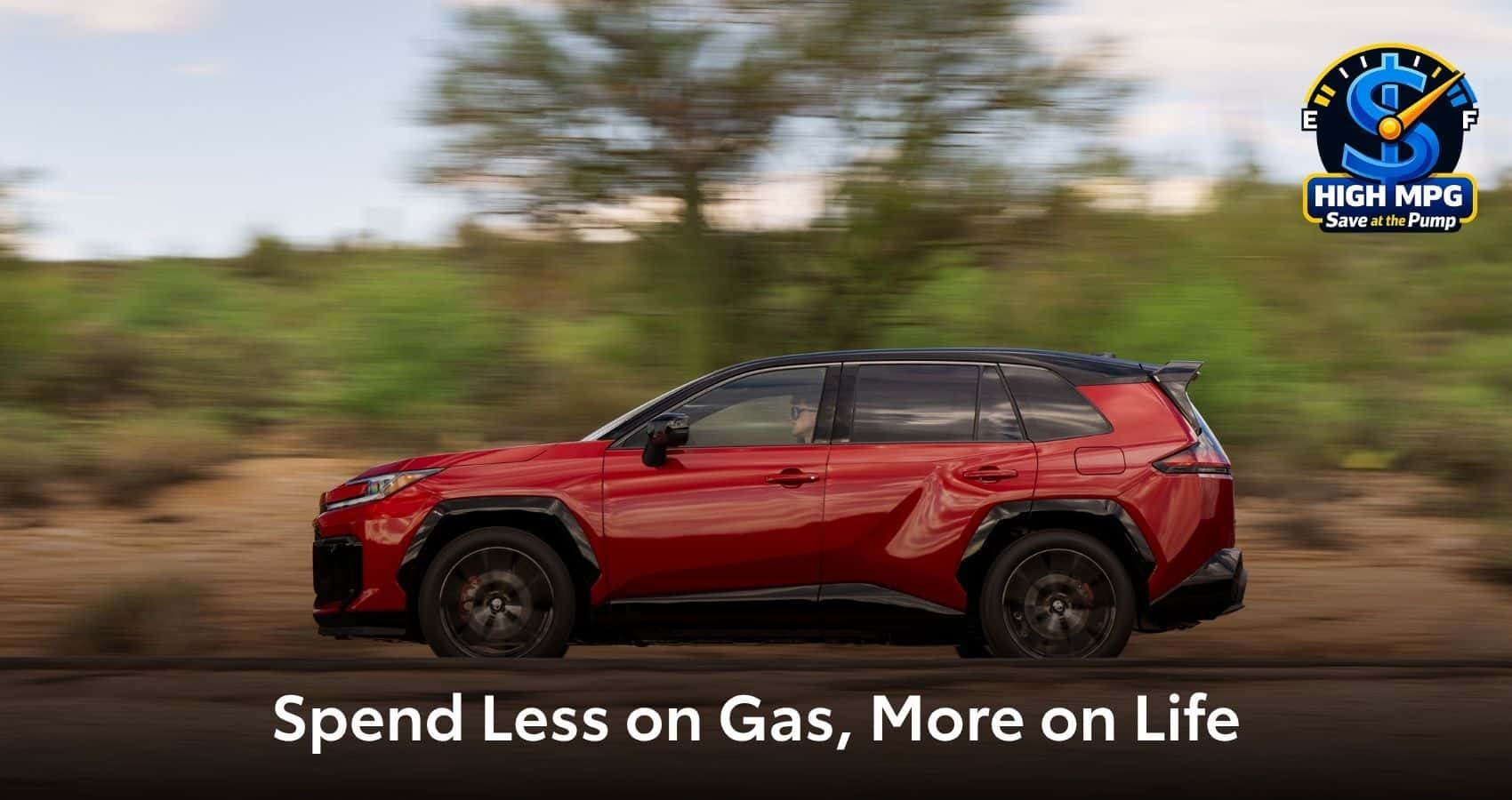
Russ Darrow Toyota – Toyota Hybrid Efficiency That Helps Your Budget in West Bend, WI
With gas prices on every driver’s mind, hybrid efficiency offers real, everyday relief. Toyota’s hybrid lineup delivers exactly that—smooth power, smart fuel use, and the kind of reliability that makes commuting across Washington County feel easy. At our West Bend showroom, you can compare top performers like the Camry Hybrid, RAV4 Hybrid, and Highlander Hybrid side by side and find the one that fits your life, goals, and budget.
Hybrid technology shines in real-world driving—stoplights along W Washington St, on-ramps to US-45, and rolling stretches near Kettle Moraine Scenic Drive. Toyota’s hybrid system blends an efficient gasoline engine with electric motors to recapture energy during braking and assist during acceleration. The result is strong low-speed response and impressive miles per gallon, without a plug or a steep learning curve. Just fuel up and drive.
Local drivers appreciate how seamless this feels around town. Electric-only propulsion at lower speeds helps reduce fuel use during short trips to Downtown West Bend or errands along Highway 33. Out on longer routes toward Milwaukee or Port Washington, the system settles into quiet, efficient cruising. Toyota builds this capability into familiar, comfortable vehicles—so you get efficiency without compromise.
Camry Hybrid is the sedan that makes efficiency feel confident and refined. Recent model years deliver EPA-estimated fuel economy that can reach around the 50-mpg combined mark on select front-wheel-drive trims, with available all-wheel drive on certain configurations. A composed ride, spacious rear seating, and a modern cabin mean commuters and families alike benefit from every mile. Add Toyota Safety Sense, user-friendly infotainment, and available features like a panoramic roof or heated seats, and the Camry Hybrid becomes a standout daily driver that rewards every stop-and-go stretch from Main Street to Paradise Drive.
RAV4 Hybrid pairs SUV versatility with fuel economy that hovers near 40 mpg combined in many recent model years. Electronic On-Demand All-Wheel Drive is standard, giving confident traction for gravel lots near local parks, cottage roads toward Big Cedar Lake, and unpredictable construction zones. Cargo space is generous, the ride is composed, and the hybrid system delivers smooth, quick response when merging onto US-45. For drivers who want one vehicle that manages commuting, school runs, and weekend gear, RAV4 Hybrid checks every box while helping keep fuel costs in check.
Highlander Hybrid brings three-row practicality with efficiency many midsize SUVs cannot match. Recent EPA estimates often land in the mid-30s mpg combined, depending on configuration. That kind of number makes a noticeable difference for busy schedules and family travel, especially when a route includes frequent stops. Comfortable seating for up to eight (trim dependent), available all-wheel drive, confident passing power, and quiet highway manners create a calm cabin for drives between West Bend and neighboring communities. When properly equipped, Highlander Hybrid can also tow up to 3,500 pounds, which is plenty for a small camper or a pair of personal watercraft.
- Camry Hybrid: Efficient midsize sedan with EPA-estimated combined mpg that can reach around 50 on select FWD trims; available AWD on certain configurations; roomy cabin, polished ride, advanced driver assistance.
- RAV4 Hybrid: Compact SUV versatility with near-40-mpg combined efficiency in many recent model years; standard Electronic On-Demand AWD; generous cargo space and quick hybrid response.
- Highlander Hybrid: Three-row capability with mid-30s-mpg combined efficiency in many recent model years; available AWD; calm highway manners and up to 3,500-pound towing when properly equipped.
What does this look like in dollars? Here is a simple, high-level illustration using round numbers. Actual results vary based on model year, trim, driving style, weather, and route mix. The goal is to show how quickly savings can add up for West Bend driving patterns.
- Camry Hybrid vs. a conventional midsize sedan: At 12,000 miles per year, 50 mpg vs. 30 mpg uses about 240 gallons vs. 400 gallons—roughly 160 gallons saved annually. At $3.50 per gallon, that is about $560 saved each year.
- RAV4 Hybrid vs. a conventional compact SUV: At 12,000 miles per year, 40 mpg vs. 28 mpg uses about 300 gallons vs. 429 gallons—roughly 129 gallons saved. At $3.50 per gallon, that is about $451 per year.
- Highlander Hybrid vs. a conventional midsize three-row SUV: At 12,000 miles per year, 35 mpg vs. 23 mpg uses about 343 gallons vs. 522 gallons—roughly 179 gallons saved. At $3.50 per gallon, that is about $627 per year.
Those figures are estimates, not guarantees, but they capture why Toyota hybrids stand out for West Bend commuters. Efficiency compounds over time, and that matters for regular trips along Highway 60, across Washington County, and into the greater Milwaukee area.
Inventory is where our team makes this even easier. You can compare trims, drivetrains, and features in one visit—Camry Hybrid SE vs. XLE, RAV4 Hybrid Woodland Edition vs. XSE, Highlander Hybrid LE vs. Platinum—and get a clear feel for performance and comfort on local roads. As a local dealership serving Slinger, Pewaukee, and Menomonee Falls, our team understands daily routes, parking realities downtown, and the kinds of cargo needs drivers bring to weekend plans.
Financing and trade-ins are streamlined as well. Bring a current vehicle for an on-site appraisal, explore competitive loan or lease options, and review protection plans. Many shoppers enjoy starting online to estimate payments and value a trade, then finishing the process at our West Bend showroom to confirm the right fit.
- Use Eco Mode: Calms throttle response to help the hybrid system stay in its most efficient range during in-town driving.
- Coast early to lights: Anticipating stops gives the system more regenerative braking time, returning energy to the battery.
- Watch tire pressure: Proper inflation minimizes rolling resistance for better mpg on Highway 33 and US-45.
- Travel light: Extra roof racks and cargo weight reduce efficiency; remove unused accessories when possible.
- Leverage EV assist in low-speed zones: Smooth, gentle inputs help the vehicle use electric power more often in neighborhood speeds.
Beyond efficiency, ownership confidence matters just as much. Toyota’s hybrid track record spans millions of vehicles and decades of engineering, and service intervals remain straightforward. Oil changes, tire rotations, and standard inspections are familiar and accessible. Brake pads often last longer on hybrids thanks to regenerative braking, which takes a share of the work during deceleration.
Shoppers also ask about long-term peace of mind. Recent Toyota hybrid battery warranties extend up to 10 years from first use or 150,000 miles, whichever comes first, on many models. Coverage can vary by model year and component, so a quick check of the warranty booklet or a conversation with our team offers precise clarity.
Ready to compare Toyota hybrid options on the roads you actually drive? Visit our showroom at 2700 W Washington St, West Bend, WI 53095. A short test loop near the Milwaukee River and back toward US-45 will highlight just how natural Toyota’s hybrid driving experience feels—quiet, responsive, and efficient.
Frequently Asked Questions:
Do I need to plug in a Toyota hybrid?
No. Toyota hybrids are self-charging. The system recaptures energy through regenerative braking and uses the gasoline engine as needed to maintain battery charge.
How does a hybrid save fuel in stop-and-go traffic around West Bend?
At lower speeds, the electric motor can move the vehicle with little or no engine use. Regenerative braking then captures energy as the vehicle slows for lights along W Washington St or turns through Downtown West Bend. That cycle reduces fuel consumption compared with a conventional powertrain.
Can a Highlander Hybrid tow a small camper?
Yes. When properly equipped, Highlander Hybrid can tow up to 3,500 pounds. Always confirm exact towing specifications for the model year and trim under consideration and ensure the trailer and hitch setup meets all requirements.
Do Toyota hybrids require special maintenance?
Routine service is familiar—oil changes, filters, tire rotations, and inspections. Many drivers see extended brake pad life due to regenerative braking. Schedule and component coverage vary by model year, so review the maintenance guide for specifics.
What fuel economy can I expect?
EPA estimates vary by model year, trim, and drivetrain. Recent Camry Hybrid models can reach around the 50-mpg combined range on select FWD trims, RAV4 Hybrid often targets near 40 mpg combined, and Highlander Hybrid often sits in the mid-30s combined. Actual mileage depends on driving conditions and habits.
Hybrid power is no longer a niche choice—it is a smarter default for many West Bend drivers who want capability and comfort with lower fuel costs. Camry Hybrid, RAV4 Hybrid, and Highlander Hybrid each deliver standout efficiency in a familiar package, and our local team will help match the right trim and drivetrain to everyday routes. Visit Russ Darrow Toyota to test drive your shortlist and see how Toyota hybrid engineering can make every mile go further.
0 comment(s) so far on Toyota Hybrid Efficiency That Helps Your Budget in West Bend, WI