

How to Choose the Right Toyota Cabin and Engine Air Filters near Slinger, WI
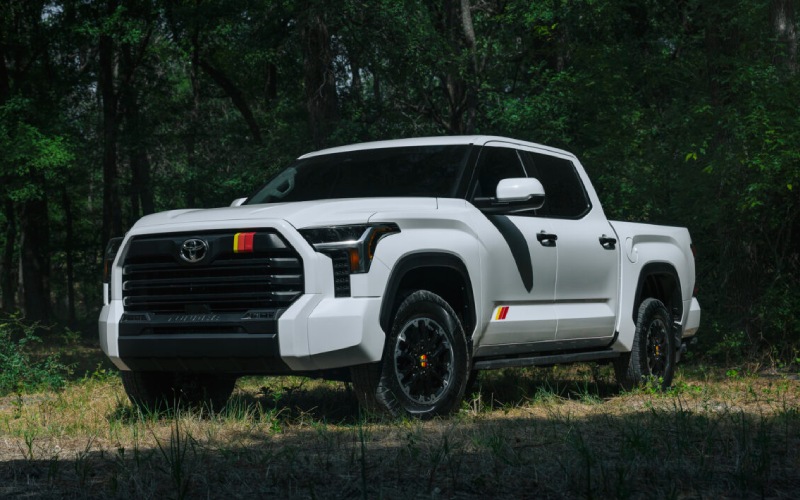
Russ Darrow Toyota – How to Choose the Right Toyota Cabin and Engine Air Filters near Slinger, WI
Air filters are small parts with a large effect on everyday comfort, efficiency, and long-term vehicle care. If you are searching for Toyota cabin air filters or engine air filters near Slinger, WI, the key question is usually simple: which filter does your vehicle need, and how do you know when replacement makes sense? Toyota vehicles use more than one type of filter, and each has a separate purpose. The cabin air filter helps clean the air entering the passenger compartment through the heating and air conditioning system. The engine air filter helps protect the engine from dust, grit, leaves, and debris before air reaches the intake system. Both filters support a cleaner, smoother driving experience, but a proper replacement starts with correct fitment.
Local driving around Slinger, West Bend, and nearby Washington County roads can expose a vehicle to a steady mix of road dust, pollen, agricultural debris, construction particles, and tree matter. Even if a Toyota is mostly used for commuting, errands, and school transportation, airflow can change gradually as filters collect debris. A clogged cabin filter can reduce vent strength or create stale odors. A dirty engine air filter can restrict airflow and make the engine work harder than necessary. Filter replacement is usually straightforward, but choosing an OEM Toyota filter can help maintain the airflow, sealing, and filtration characteristics intended for your specific model.
Cabin Air Filter vs. Engine Air Filter
A cabin air filter and an engine air filter should not be treated as interchangeable parts. The cabin filter is about passenger comfort and HVAC performance. It helps reduce dust and airborne particles entering the cabin, which can be especially helpful for drivers sensitive to pollen or musty vent odors. The engine air filter is part of the vehicle’s intake system. It helps keep contaminants away from engine components while allowing the right amount of airflow for proper operation. Russ Darrow Toyota can help confirm which filter fits your Toyota by using vehicle details such as year, model, trim, and engine configuration.
- Cabin air filter: Helps clean incoming HVAC air, supports vent airflow, and can reduce odors caused by trapped debris.
- Engine air filter: Helps protect the engine intake system from dust, grit, and particles that can affect performance over time.
- Oil filter: Works separately by helping remove contaminants from engine oil during circulation.
- Fuel filter: Applies to select systems and helps protect fuel delivery components where serviceable.
Signs a Cabin Air Filter May Need Replacement
Cabin air filter wear often shows up through comfort changes rather than dashboard warnings. You might notice weaker airflow through the vents, a musty smell when the fan turns on, more visible dust on interior surfaces, or slower defogging performance. These symptoms can be easy to overlook because filter restriction usually builds slowly. By the time airflow feels weak, the filter may be carrying a heavy load of dust, leaves, and pollen. Drivers moving between Slinger, West Bend, and Germantown may also notice filter odor after parking under trees or using the HVAC system heavily during humid weather.
Replacing a cabin filter with the correct Toyota part helps the HVAC system breathe as designed. It can also make daily driving feel fresher, especially in vehicles used for family travel, rideshare work, pet transportation, or frequent short trips. If you are unsure whether the cabin filter is due, a technician can inspect it during routine maintenance. Do-it-yourself owners can also order the correct part through our parts department and request installation guidance. The most important step is fitment accuracy, since an incorrect filter can leave gaps or restrict airflow in the wrong way.
Signs an Engine Air Filter May Need Replacement
An engine air filter does not always create obvious symptoms right away, but a dirty filter can affect performance and efficiency over time. Warning signs may include reduced acceleration response, unusual engine sound under load, decreased fuel economy, or a visibly dirty filter during inspection. In some cases, debris caught in the intake area can shorten filter life. Toyota trucks and SUVs used for gravel roads, home projects, outdoor recreation, or jobsite travel may need filter checks more often than vehicles driven only on paved commuter routes.
- Reduced airflow: A clogged filter can limit the clean air supply needed for smooth engine operation.
- Dusty driving routes: Gravel shoulders, construction zones, and rural roads can load a filter faster.
- Visible debris: Leaves, seeds, and dust in the filter pleats can signal that replacement is due.
- Maintenance timing: Your owner’s manual provides model-specific guidance for inspection and replacement intervals.
Why OEM Toyota Filters Are a Smart Choice
Aftermarket filters may look similar at a glance, but small differences in thickness, seal quality, media design, and frame shape can affect fit and performance. OEM Toyota filters are built for Toyota models, which helps support proper sealing and airflow. That matters because a loose engine air filter can allow unfiltered air past the edge, while a poor-fitting cabin filter can let dust or odors bypass the filter media. For drivers shopping near Menomonee Falls, WI, a short trip to a Toyota parts center can reduce guesswork and help secure the right part before installation begins.
Using genuine parts can also support long-term vehicle value. Maintenance records showing OEM Toyota parts can reassure future buyers that your Toyota received components designed for the vehicle. Our parts department carries common filter types, and if a specific part is not in stock, our team can help place an order. The online order form asks for year, make, model, trim, transmission, part name, part number if available, and installation preference. That information helps our staff confirm the part accurately and contact you if a question comes up.
How to Order the Right Filter
Before ordering, gather your Toyota’s model year, model name, trim level, and engine information if known. A VIN can also help parts specialists confirm the exact component. If you plan to install the filter at home, ask whether any clips, covers, or access steps apply to your model. If you prefer professional installation, request service help when ordering. Toyota filter replacement can often be combined with routine maintenance such as an oil change, tire rotation, multi-point inspection, battery check, or fluid inspection, which saves time and gives a clearer picture of overall vehicle health.
- Identify your vehicle: Use the year, make, model, trim, and VIN if available for accurate lookup.
- Choose the filter type: Confirm whether you need a cabin air filter, engine air filter, oil filter, or another filter.
- Decide on installation: Select self-installation or request professional installation from the service team.
- Ask about availability: Common filters may be in stock, while less common parts can often be ordered.
- Keep records: Save maintenance details so future service intervals are easier to track.
Choosing the right Toyota filter is a practical way to protect comfort, airflow, and performance without overcomplicating maintenance. Whether you drive a Camry, Corolla, RAV4, Highlander, Tacoma, Tundra, 4Runner, or another Toyota model, correct fitment matters. Our parts department in West Bend is ready to help Slinger-area drivers compare filter needs, order genuine OEM Toyota parts, and coordinate installation if desired. If your vents smell stale, airflow feels weak, or the engine air filter looks dirty during inspection, contact our parts team or use the online order form today. We will help you get the right filter and keep your Toyota ready for daily driving.
0 comment(s) so far on How to Choose the Right Toyota Cabin and Engine Air Filters near Slinger, WI